Nonprofit • Est. 2011
Helping communities prevent drug abuse through education, awareness, and support.
A Chronicle on Drug Abuse (ACRDA) is a community-based nonprofit that has spent more than a decade helping families, schools, and neighborhoods respond to the real, everyday realities of drug abuse. We publish plain-language education, connect people to trusted local and national resources, and support youth prevention programs in Colorado and beyond. Our work is grounded in evidence, guided by families with lived experience, and driven by the belief that prevention is a shared community responsibility.
- Years serving communities
- 14+Years serving communities
- People reached
- 180kPeople reached
- Partner schools
- 60+Partner schools
Our mission
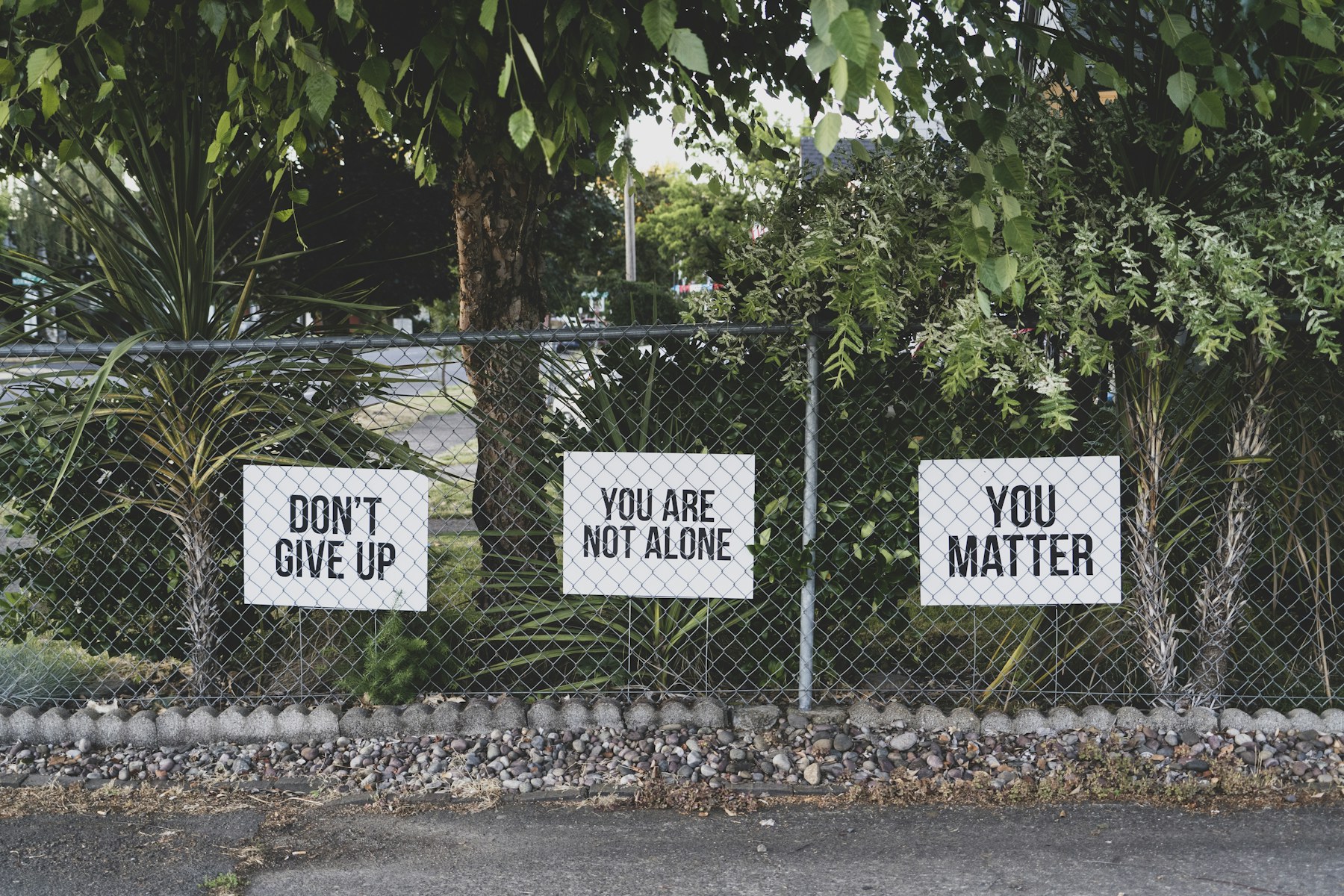
To reduce the impact of drug abuse in our communities by providing honest education, connecting families to trusted resources, and championing prevention among young people. We meet people where they are, without judgment, and we build the long-term relationships that recovery requires.
Our vision
A country where every family has the knowledge, tools, and community support they need to prevent substance misuse, recognize it early, and find compassionate care when it is needed. A country where recovery is expected, not exceptional.
Our story
Founded in 2011 by parents, educators, and public-health workers in Parker, Colorado, ACRDA began as a small kitchen-table effort to help neighborhood families navigate a rising tide of opioid harm. Today we serve schools, faith communities, and health systems across the state and publish resources used nationally.
What we do
Community programs that reach the whole family
Prevention is not a poster on a wall. It is patient, ongoing, relational work. Our four core programs are designed to reinforce each other so that a young person hears the same trustworthy message from teachers, parents, coaches, and counselors.
Youth prevention
Age-appropriate curricula that teach decision-making, refusal skills, and coping strategies from elementary through high school. Delivered by trained facilitators alongside classroom teachers.
School outreach
Free program audits, teacher training, family companion materials, and health-fair support for K-12 schools that want to strengthen their prevention work.
Family education
Workshops and small-group cohorts for parents and guardians on how to have honest conversations, recognize warning signs, and respond calmly if a loved one is struggling.
Recovery support
Peer-led support groups, guidance navigating treatment options, and long-term reconnection programs for families rebuilding trust after crisis.
School outreach
Evidence-based prevention, adapted for your school
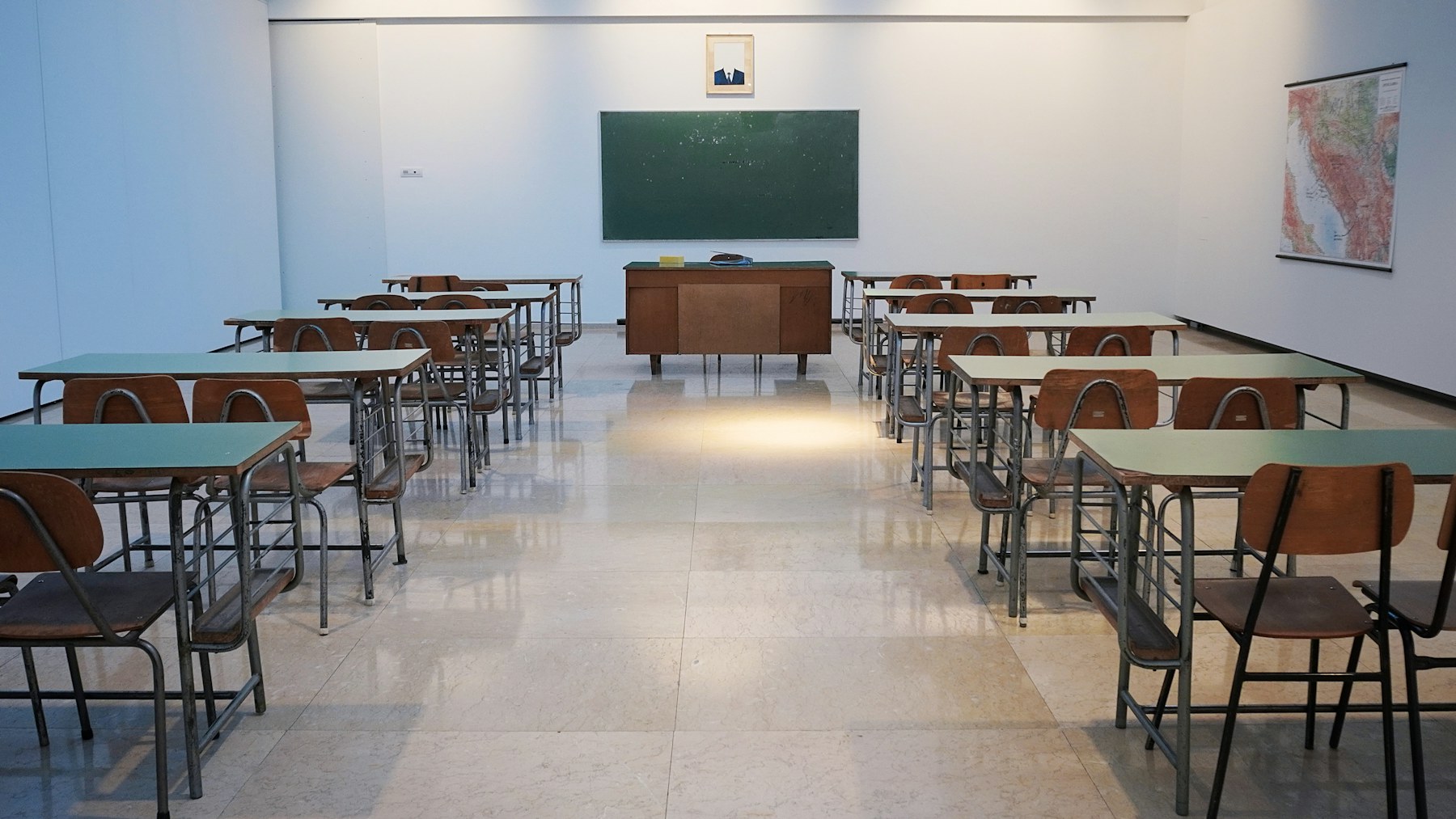
We partner with public, charter, and independent schools to strengthen the health and prevention curricula they already have. Our work always begins with listening—to teachers, counselors, students, and parents—so that whatever we add fits the culture of your building. From a single teacher-training session to a multi-year district partnership, we meet schools where they are and stay for the long haul.
- Free curriculum audits for K-12 schools
- Facilitated professional development for health teachers and counselors
- Family Companion take-home materials in English and Spanish
- Data support using anonymized district-level surveys

Family education
Families are the front line
The strongest predictor of whether an adolescent avoids problem substance use is the ongoing, trust-based relationship they have with a caring adult at home. Our family education workshops help parents, guardians, grandparents, and other caregivers build that relationship in practical ways: how to open a conversation without alarm, how to listen without lecturing, how to set limits that hold, and how to respond calmly if something is already wrong. All of our family programming is free and open to any Colorado resident.
Recovery support
Recovery is a community effort
Recovery is rarely a straight line. It is a long process of learning, relapse, honesty, and rebuilding—and it works best when the people around a person understand what they are going through. ACRDA runs peer-led support groups for adults in recovery and separate groups for the family members who love them. We also help people navigate the maze of insurance, treatment options, and specialist referrals so that the next right step is always clear.
None of this work replaces medical or clinical care. It surrounds it. Our volunteers are trained in trauma-informed listening and every program we run is guided by an advisory committee that includes people with lived experience of recovery.
Why this work matters
The scale of the challenge
Numbers alone cannot capture what families experience. They can, however, help explain why we treat prevention and recovery as urgent community priorities.
U.S. drug overdose deaths estimated in a recent year, according to the CDC.
Americans is expected to face a substance use disorder in their lifetime.
Every 24 hours, U.S. emergency departments treat thousands of overdose cases.
Of adults with a substance use disorder began using substances before age 18.
How donations help
Every gift funds specific, tangible work
ACRDA is a registered 501(c)(3) nonprofit. Donations are tax-deductible to the extent allowed by law and are processed securely through Every.org.
Prints and mails a Family Companion prevention guide to a Colorado family.
Sends a trained facilitator into a middle-school classroom for a full session.
Funds one month of a peer-led recovery support group meeting.
Underwrites a district curriculum audit that reaches thousands of students.
Voices from our community
What families and educators say
"ACRDA's family workshop gave us the language we didn't know we were missing. It changed the way our whole household talks about hard things."
"Their team spent a full year with us. What they helped us build is a prevention culture, not a program. That's the difference."
"After my son's overdose, ACRDA was the first place that treated our whole family as people who needed care. We are still here because of that."
Volunteer with us
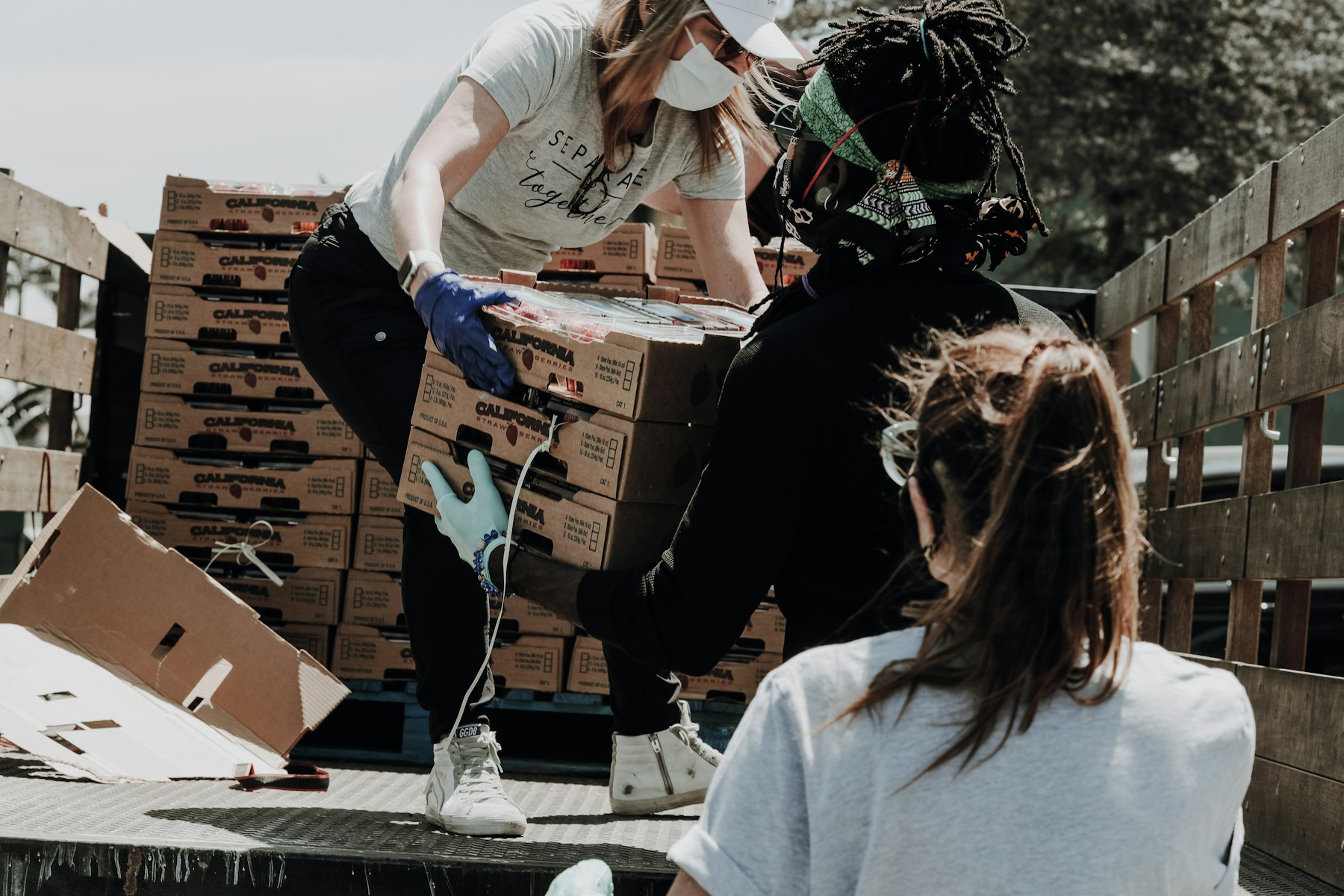
Prevention runs on people. Whether you have two hours a month or two days a week, there is a role that fits your skills—from staffing community events to mentoring young people to supporting our operations team behind the scenes. All volunteers receive training and ongoing support.
FAQ
Frequently asked questions
Stay connected with our community
Monthly updates on new educational content, community events, and volunteer opportunities. No spam. Unsubscribe any time.