Drug Education
Understanding the Fentanyl Crisis: What Every Family Needs to Know
Fentanyl has changed the drug landscape in ways that make prior assumptions dangerous. Here is what has changed and how families can respond.
What fentanyl is and why it is different
Fentanyl is a synthetic opioid roughly 50 to 100 times more potent than morphine. In legitimate medical settings—such as post-surgical pain control or end-of-life care—it is administered in carefully measured micrograms by clinicians. Illicit fentanyl, produced in unregulated labs and trafficked into the United States, has no such safeguards. It is the driving force behind the current wave of overdose deaths, which now claim more American lives each year than car accidents and gun violence combined.
Counterfeit pills and the poisoning problem
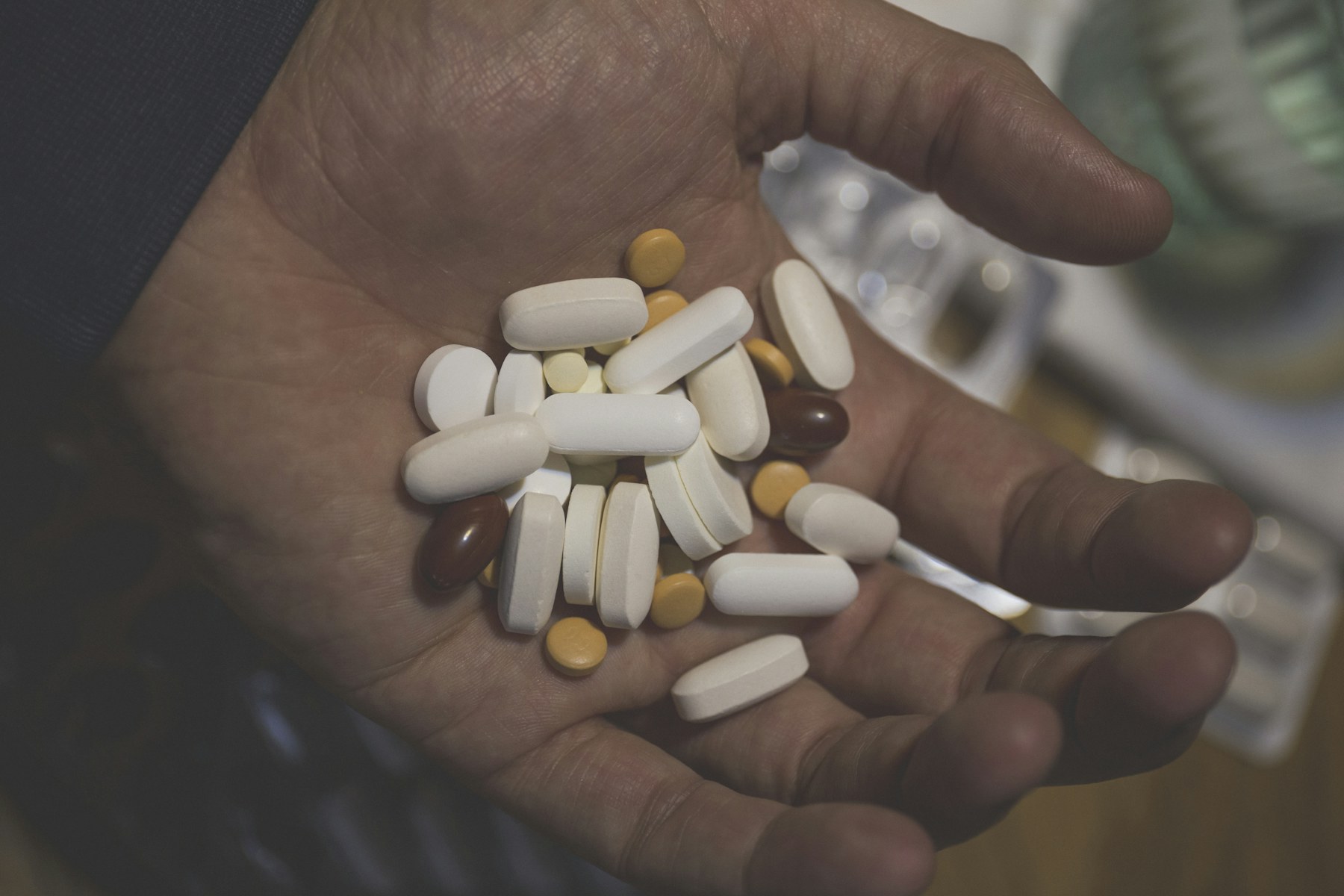
The most alarming shift of the last five years is not that more people are seeking fentanyl. It is that fentanyl has infiltrated the supply of nearly every other street drug. Counterfeit pills pressed to look like Percocet, Xanax, or Adderall are routinely found to contain fentanyl. Cocaine, methamphetamine, and MDMA supplies have also been contaminated. This means that a young person experimenting with what they believe is a familiar substance may in fact be taking an unknown, potentially fatal dose of a much stronger drug.
The Drug Enforcement Administration reports that a majority of counterfeit pills it seizes contain a potentially lethal dose of fentanyl. This is not exaggeration—this is the current baseline.
Why one dose can be lethal
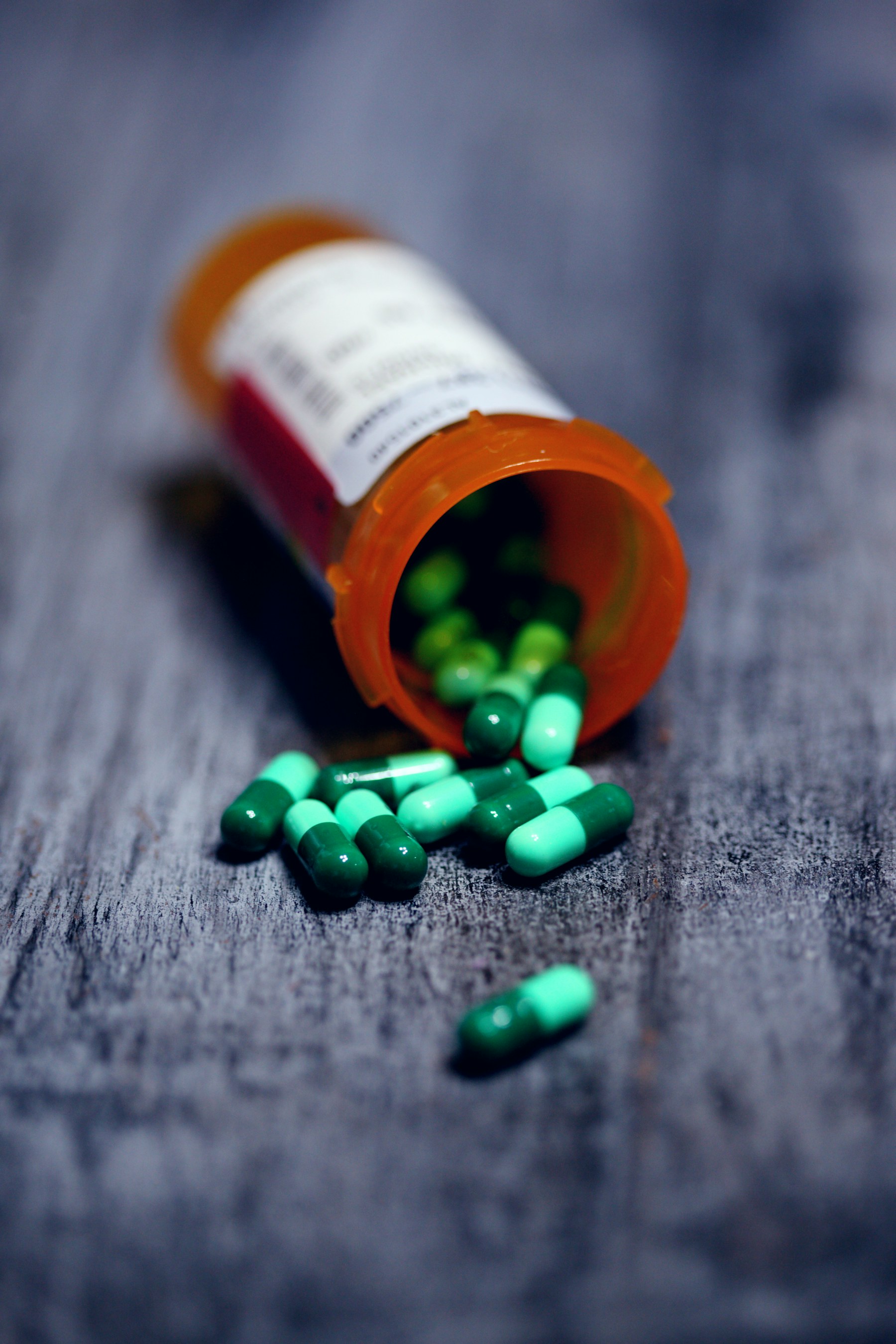
Because fentanyl is so potent, the difference between a dose that produces the desired effect and a dose that stops breathing can be extremely small—sometimes a matter of a few grains. Illicit manufacturing is not consistent, meaning two pills from the same batch can contain radically different amounts. This is why we increasingly describe these deaths not as overdoses in the traditional sense but as poisonings.
Naloxone: how it works and how to get it
Naloxone (brand name Narcan) is a medication that rapidly reverses opioid overdose by displacing opioids from receptors in the brain. It is safe, non-addictive, and effective. It comes as a nasal spray that anyone can administer with minimal training. In Colorado and most other states, naloxone is available at pharmacies without a prescription, and many community organizations distribute it for free.
If someone in your household uses any street drug—or if you simply want to be prepared for a neighbor, a coworker, or a stranger—keep naloxone on hand. It has saved thousands of lives and cannot cause harm if used on someone who is not experiencing an opioid overdose.
Talking to young people about fentanyl
The traditional prevention message—"drugs are dangerous"—needs updating. Today's message must be more specific: any pill that did not come from a pharmacy in a labeled bottle should be assumed to contain fentanyl. Any powder from any source should be assumed to be contaminated. This is not paranoia; it is arithmetic.
Frame the conversation around what has changed. Young people who dismiss general warnings often engage seriously when they learn that the current risk is fundamentally different from what their parents or older siblings knew.
Community response and next steps
Fentanyl is a public health crisis that will require coordinated action from health systems, schools, law enforcement, and community organizations. Individual families can also take three concrete steps this week: obtain naloxone and learn how to use it, have an updated conversation with the young people in your life, and post the SAMHSA helpline number (1-800-662-HELP) somewhere visible in your home. Preparation does not encourage use—it saves lives when the unimaginable happens.