Prevention
Prescription Drug Safety at Home: A Room-by-Room Guide
Most young people who misuse prescription drugs get them from home medicine cabinets. Here is how to make yours safer.
Why home medicine cabinets are a risk
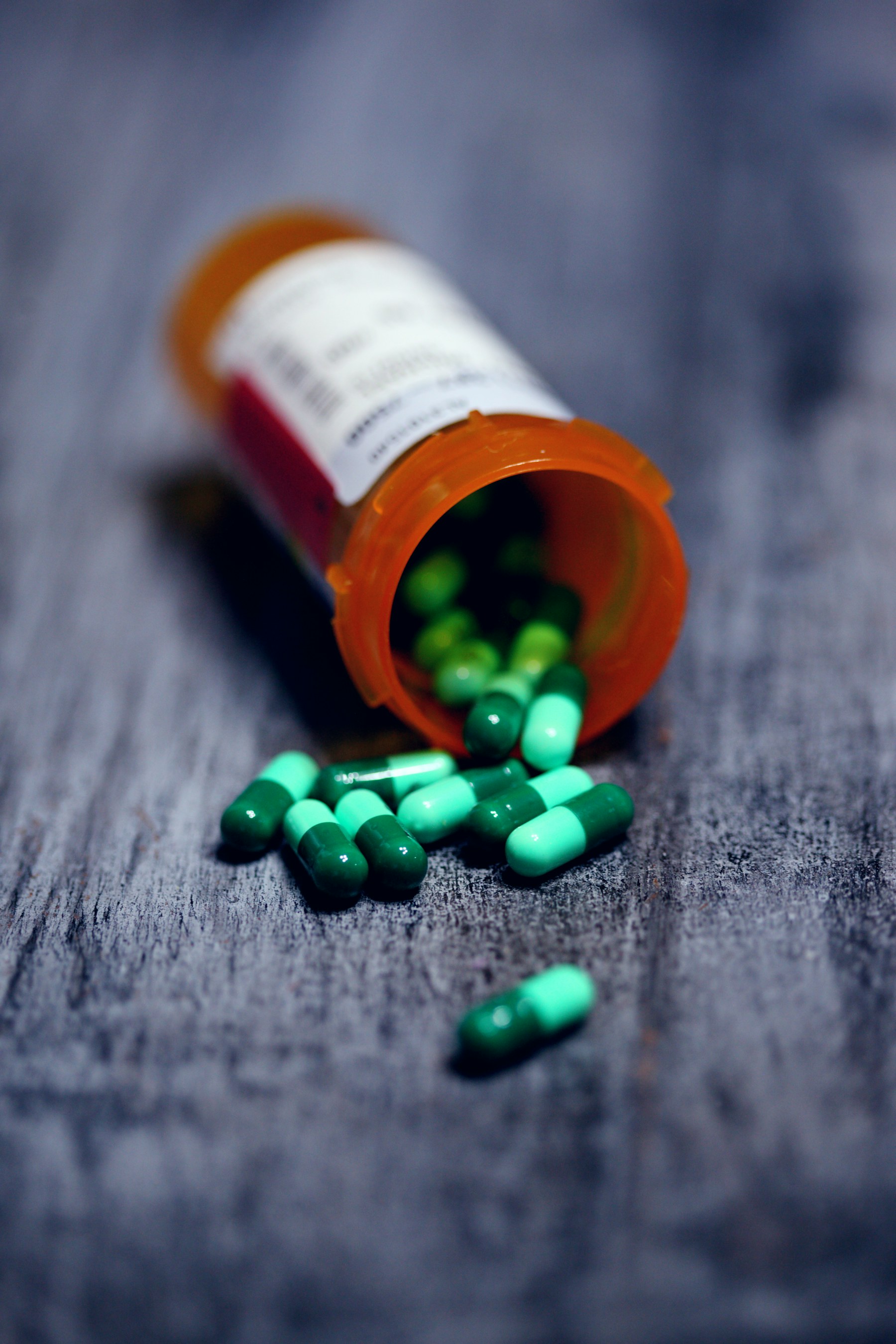
According to national survey data, most adolescents who misuse prescription medication get it from a friend or family member—often without that person's knowledge. Painkillers left over from a surgery, ADHD medication in a sibling's drawer, or sleep aids in a grandparent's cabinet are all common sources.
The good news: household prescription drug misuse is one of the most preventable pathways into substance use. Small changes in how families store, track, and dispose of medication dramatically reduce risk.
The bathroom
Bathrooms are the least secure place in most homes. They are accessible to anyone who visits and rarely observed. Move all controlled substances—opioids, benzodiazepines, stimulants, and sleep medications—out of the bathroom. A small lockbox on a closet shelf or in a bedroom is a substantial upgrade with minimal inconvenience.
Do not leave loose pills on counters or in unlabeled containers. If you use a weekly pill organizer, keep it out of sight when guests are in the home.
The kitchen
Many families keep medication near coffee, breakfast supplies, or the refrigerator. This is convenient—and predictable. Consider whether visitors or teenagers passing through the kitchen have unnecessary access.
Take a monthly inventory of all prescription medications: what is in the home, how many doses remain, and where each bottle is stored. This takes ten minutes and helps you notice quickly if something is missing.
Purses, backpacks, and nightstands
Adults often carry medication in purses or backpacks and store bottles on nightstands overnight. These are easy places for a curious child or a teenager to find and take a pill or two without being noticed. Move overnight medication into a small locked container.
If you keep naloxone in a purse or car (and you should—see our overdose prevention guide), that is different. Naloxone is not a controlled substance and is safe to have accessible.
How to dispose of medication safely
Most people underestimate how much unused medication accumulates over the years. Twice a year, sort through everything. Anything expired, unused, or no longer needed should be disposed of promptly.
The safest disposal method is a pharmacy or law enforcement drug take-back program. Many pharmacies now host permanent drop boxes. National Prescription Drug Take Back Day, held twice yearly, is another opportunity.
If a take-back option is not available, the FDA maintains a "flush list" of medications so dangerous they should be flushed immediately when no longer needed. For everything else, mix the pills with something unpalatable (used coffee grounds, kitty litter), seal in a plastic bag, and place in household trash.
Never share prescription medication, and never take medication prescribed to someone else. What is safe for one person can be dangerous for another.
Talking to visitors about medication safety
If a grandparent, older friend, or extended family member spends significant time in your home with young people, share this information with them. Most are grateful. Most have never thought about their own medicine cabinet as a risk to your children.
Small conversations, small changes, and secure storage together reduce a very common source of substance use. Prevention does not always require difficult conversations. Sometimes it just requires a lockbox.